Rogue Echo Bumper Plates

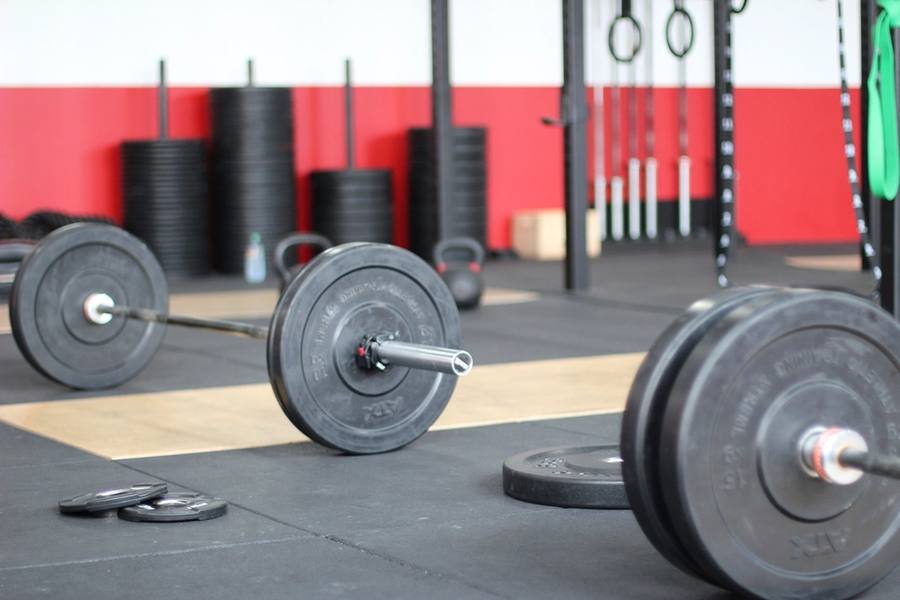
Image illustrative (photo de stock) ; ce n'est pas le produit exact.
The Budget Bumper Done Sensibly
Bumper plates vary enormously in price and much of the premium at the top end buys tighter weight tolerances that matter for competition and not at all for a home gym.
The Echo line is Rogue's budget bumper, and the savings come from looser weight tolerance and a simpler finish rather than from anything structural. The hub is wide steel and the rubber is durable.
For a home gym where nobody is contesting whether a plate is 20.0 or 20.3 kilos, that is exactly the right corner to cut, and it makes a full set considerably more affordable.
Thinner Than Most Budget Bumpers
The Echo plates are noticeably thinner than many competitors at the same weight, which is more useful than it sounds because sleeve space is the practical limit on how much you can load with bumpers.
A thinner bumper means you get more weight onto the bar before needing iron plates, which for anyone squatting or deadlifting heavy with a bumper-based set is a genuine functional advantage.
It also means a stack of them takes less storage space, which in a garage or spare room matters.
Durability And The Hub
The steel insert is wide, which distributes the load from the bar sleeve across more rubber. Narrow hubs concentrate stress and are the usual reason cheap bumpers eventually work loose or tear around the centre.
The rubber is firmer than premium competition bumpers, which means it bounces more when dropped. A high bounce is mildly alarming and manageable, and it is the clearest behavioural difference from softer premium plates.
They smell strongly of rubber when new, as all bumpers do, and it fades over weeks.
Against The Alternatives
Against competition bumpers, these have looser weight tolerance and firmer rubber that bounces more, at a much lower price.
Against other budget bumpers, the thinner profile and wide hub are the differences, and both are practically useful.
Against iron plates, the usual bumper argument applies — droppable and constant diameter, thicker and more expensive per kilo.
Who Should Not Buy It
Anyone training for competition where plate accuracy matters should buy calibrated plates.
Anyone who dislikes a bouncy plate should look at softer premium bumpers, as the firmer rubber here bounces noticeably.
Anyone who never drops the bar should buy iron and save the money.
The Verdict
A sensibly compromised bumper plate: the savings come from weight tolerance rather than structure, and the thinner profile and wide hub are genuinely useful.
They bounce more than premium plates, the weight tolerance is looser, and they smell when new.
For a home gym these are the right plates — nobody is checking whether your twenty is exactly twenty, and the thinner profile gets more weight on the bar.
Storage is worth planning before delivery, because a full set of bumpers is heavier and more awkward than people expect and they should not be stored flat in a stack on a floor for years. Standing them vertically on a plate tree keeps the rubber from taking a permanent set and makes loading the bar far quicker, and a tree costs a fraction of the plates it holds.
En un coup d'œil
Avantages
- Thinner than most budget bumpers, so more fits on the bar
- Wide steel hub distributes load and resists working loose
- Savings come from weight tolerance rather than structure
- Takes less storage space than thicker plates
Inconvénients
- Firmer rubber bounces noticeably more than premium plates
- Looser weight tolerance than calibrated plates
- Strong rubber smell for the first few weeks
- Still thicker and pricier per kilo than iron
Questions fréquemment posées
Does the looser weight tolerance matter?
Not in a home gym. It matters in competition where a plate must be within a tight tolerance of its stated weight. If nobody is checking whether your twenty-kilo plate is 20.0 or 20.3, it is exactly the right corner to cut.
Why does a thinner plate help?
Because sleeve space is the practical limit on how much you can load with bumpers. Thinner plates mean more weight on the bar before you need iron, and a smaller stack when stored.
Are they bouncy?
Noticeably more than softer premium bumpers, because the rubber is firmer. It is manageable and mildly alarming the first few times a dropped bar bounces back up. If that bothers you, softer premium plates cost considerably more.
Spécifications
| Type | Budget bumper plate |
| Hub | Wide steel insert |
| Profile | Thinner than most budget bumpers |
| Rubber | Firmer; bounces more |
| Weight tolerance | Looser than calibrated |
| Droppable | Yes |
| Diameter | Constant |
| Best for | Home gyms |
Résumé
Savings from weight tolerance rather than structure, with a usefully thin profile and a wide hub. They bounce more — and nobody is checking your plate weights.
Vérifier le prix sur Amazon