Wahoo TICKR Heart Rate Monitor

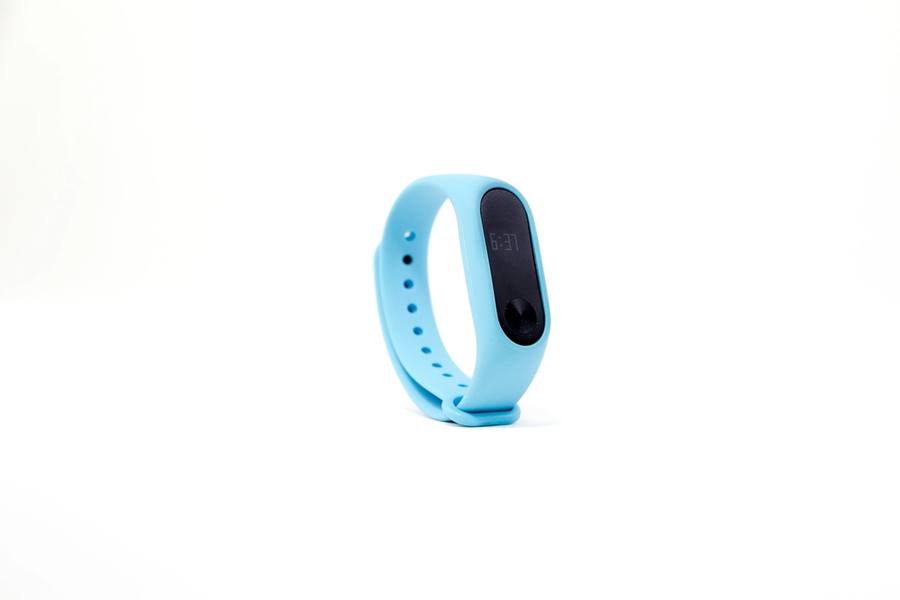
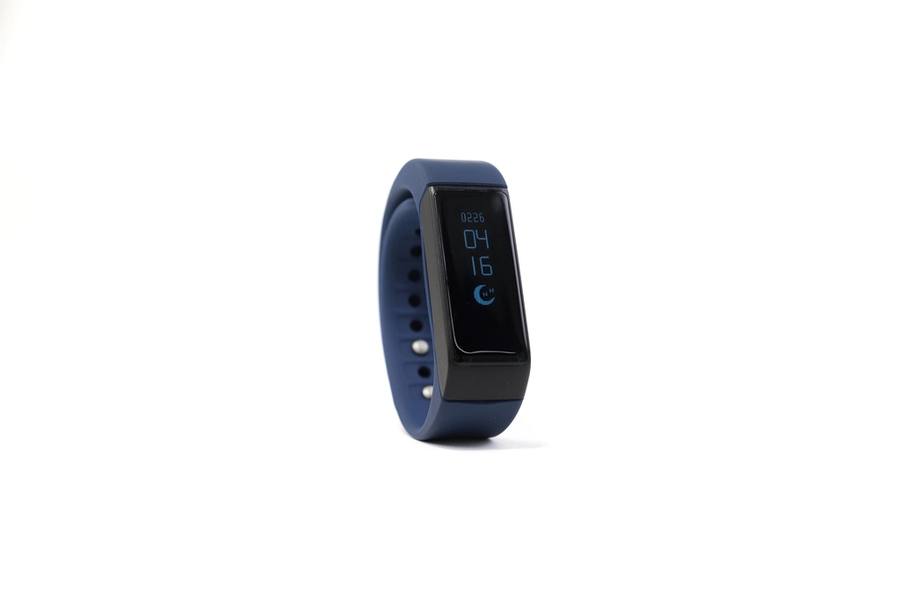
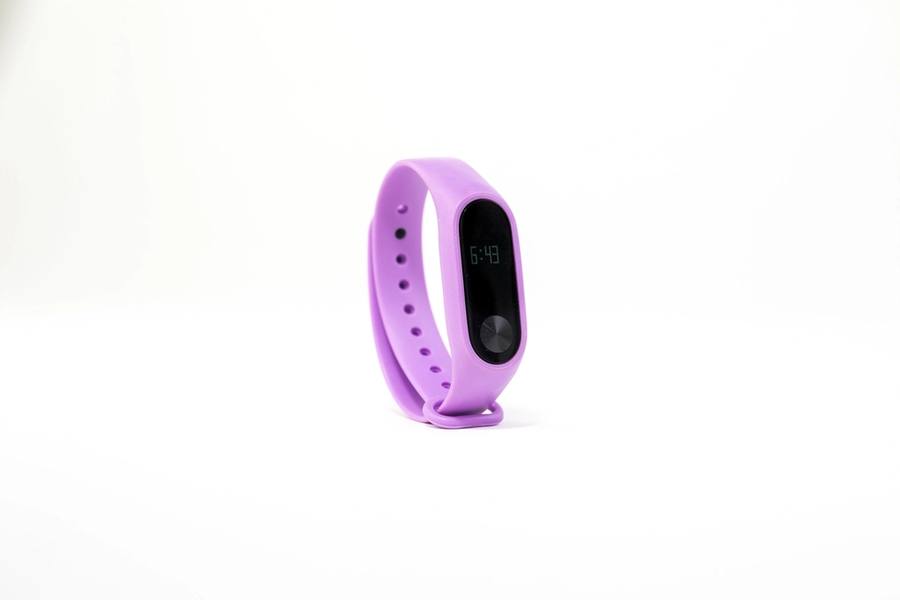
Symbolbild (Stockfoto); nicht das abgebildete Produkt.
The Important Part Is Not Expensive
The thing that makes a chest strap worth owning is that it measures the heart electrically rather than inferring it optically, and that principle does not cost much to implement.
The TICKR does it, broadcasts on both Bluetooth and ANT+, and costs considerably less than premium straps. For anyone who wants accurate heart rate during intervals and weights without spending much, that is the whole proposition.
It uses a replaceable coin cell rather than a rechargeable battery, which means no charging routine and a battery that lasts many months. For a device worn occasionally, that is arguably better than rechargeable.
Where The Savings Show
It has less onboard memory than premium straps, which matters only if you want to record a session without a watch or phone present and sync it later. Premium straps can store a workout; this generally cannot.
The strap material is less refined and some users find it chafes more on long sessions, and strap comfort is genuinely personal.
There is no running-dynamics or advanced metric capability that some premium straps add. For heart rate, which is what almost everyone wants a strap for, that is irrelevant.
Practicalities
As with every chest strap, the electrodes must be damp or readings are erratic for the first few minutes. Wetting them before putting it on solves it entirely and is the single most common user error.
Dual-band broadcasting means it pairs with a watch, a bike computer, a phone app and gym equipment, and can connect to more than one at a time. That flexibility is genuinely useful and is not universal.
The strap wears out before the sensor does, and replacement straps are sold separately and cheaply, which is worth knowing because a worn strap that will not stay put is often mistaken for a failed sensor.
Against The Alternatives
Against the Polar H10, this is cheaper and lacks onboard recording; both measure electrically and both are accurate where wrist sensors are not.
Against wrist optical sensing, it is far more accurate during intervals and weights and less convenient.
Against an arm-band optical sensor, the strap is more accurate and the arm band is more comfortable for many people.
Who Should Not Buy It
Anyone who wants to record a session without carrying a watch or phone needs a strap with onboard memory.
Anyone who finds chest straps uncomfortable should try an arm-band optical sensor instead, which is better than a wrist sensor.
Anyone who only does steady-state cardio will find a wrist sensor adequate.
The Verdict
A cheap strap that gets the part that matters right: electrical measurement, dual-band pairing to everything, and a replaceable battery that lasts months.
It lacks onboard recording, the strap is less refined, and it has none of the advanced metrics premium straps add.
Wet the electrodes and replace the strap when it stops staying put — the sensor outlives the strap and people often replace the wrong part.
Fit is the other thing worth getting right and it is easy to get wrong in both directions. A strap too loose slides down during running and produces dropouts that look like sensor failure; too tight and it is uncomfortable enough that you stop wearing it. It should sit just below the chest muscles, snug enough not to move when you jump and no tighter than that.
Auf einen Blick
Vorteile
- Electrical measurement at a low price
- Dual Bluetooth and ANT+ pairing, to several devices at once
- Replaceable coin cell lasting many months; no charging
- Accurate during intervals and weights, unlike wrist sensors
Nachteile
- No onboard recording without a connected device
- Strap material less refined; can chafe on long sessions
- No advanced running or cycling metrics
- Strap wears out and needs replacing separately
Häufig gestellte Fragen
Is it as accurate as a premium strap?
For heart rate, effectively yes — both measure electrically and that is what determines accuracy. What premium straps add is onboard recording and advanced metrics, neither of which makes the heart rate number better.
My readings are erratic — is it broken?
Almost certainly dry electrodes, which is the commonest problem with every chest strap. Wet them before putting it on. If that does not fix it, the strap itself may be worn and stretched, and replacement straps are cheap.
Do I need onboard recording?
Only if you want to train without a watch or phone and sync afterwards — swimming is the usual case. If you always have a device with you, it makes no difference and is the main reason premium straps cost more.
Spezifikationen
| Sensing | Electrical |
| Connectivity | Bluetooth and ANT+ |
| Simultaneous connections | Multiple |
| Battery | Replaceable coin cell, months |
| Onboard memory | Limited or none |
| Advanced metrics | None |
| Preparation | Wet electrodes |
| Wear part | Strap, sold separately |
Fazit
Electrical accuracy and dual-band pairing at a low price, with a battery that lasts months. No onboard recording — and wet the electrodes.
Preis auf Amazon prüfen