Polar H10 Heart Rate Sensor
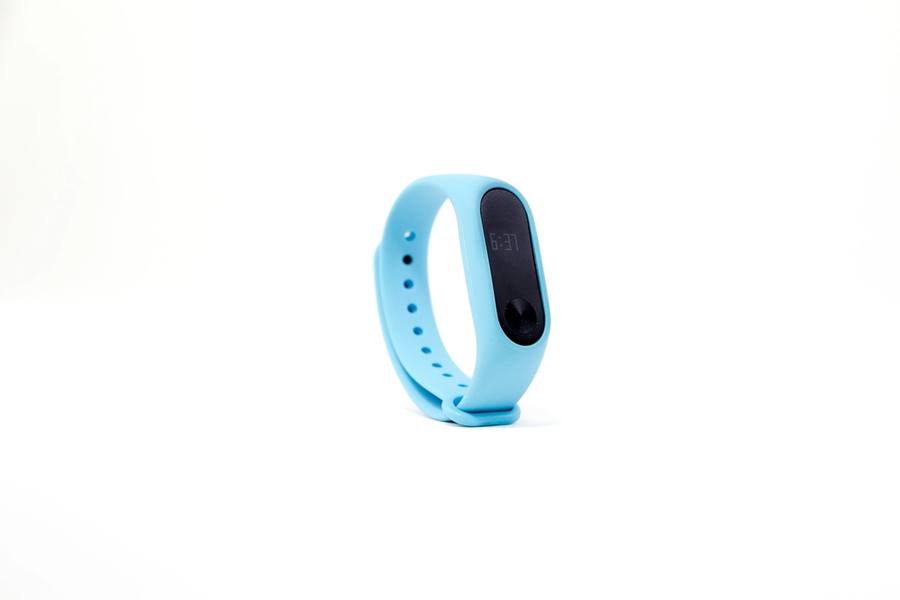
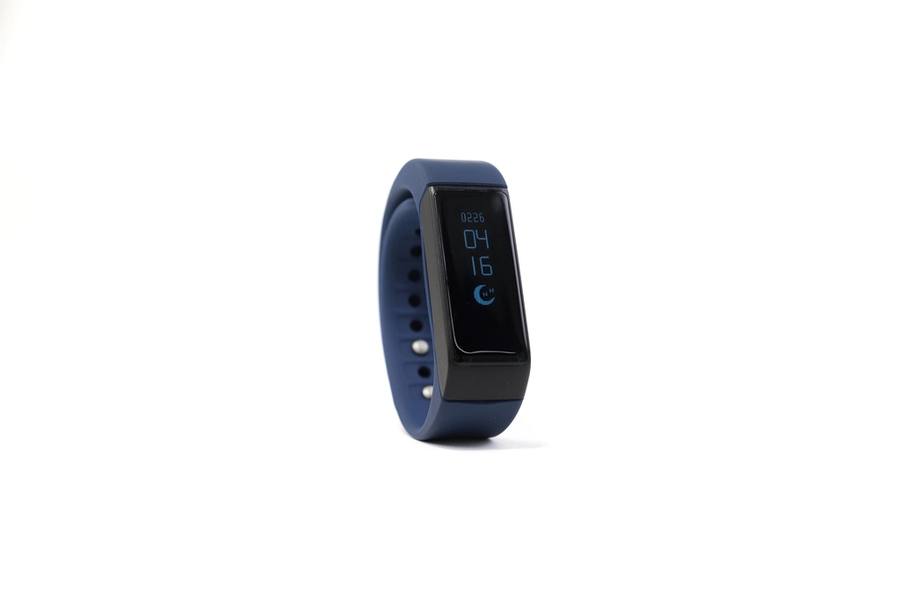
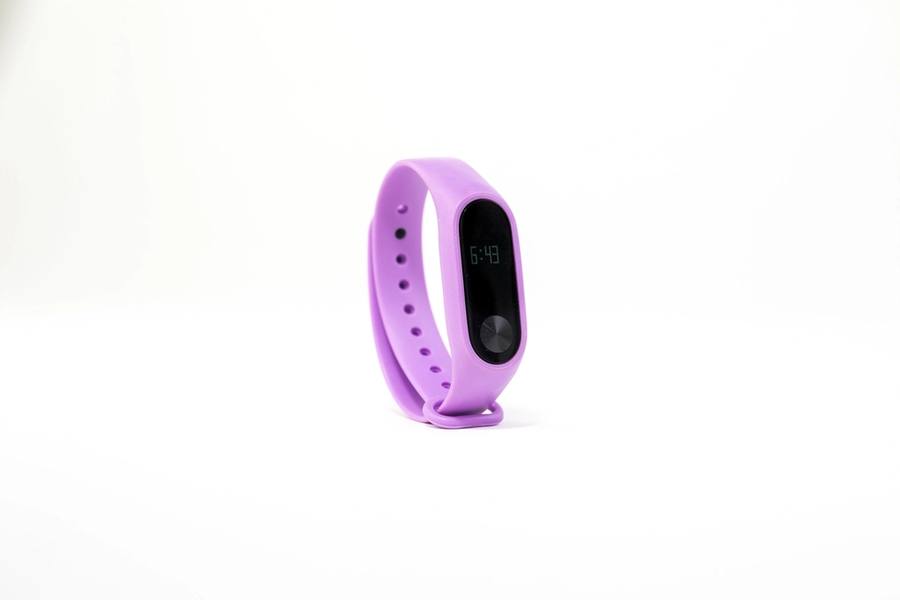
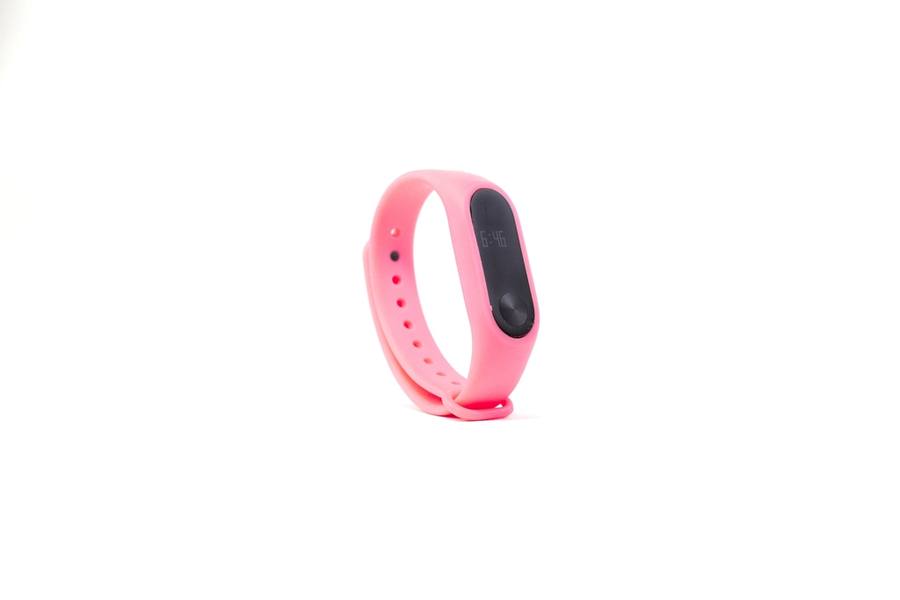
Symbolbild (Stockfoto); nicht das abgebildete Produkt.
Electrical Rather Than Optical
Wrist-based heart rate monitors shine light into the skin and infer heart rate from changes in blood flow. That works reasonably at rest and steady effort and degrades badly during anything involving wrist movement, cold hands, or rapid changes in intensity.
A chest strap measures the electrical activity of the heart directly, which is the same principle as a clinical ECG. It is not inferring the heart rate; it is detecting the heartbeat.
The practical difference appears exactly where it matters most. During intervals, weight training, and rowing, wrist sensors commonly lag, latch onto cadence instead of heart rate, or produce readings that are simply wrong, and a chest strap does not.
Where Wrist Sensors Fail
Weight training is the clearest case. Gripping a bar tenses the forearm, which restricts blood flow at the wrist, and a watch will frequently report a plateau or a drop during a set when heart rate is actually climbing steeply.
Intervals are the other. Optical sensors smooth their readings to reject noise, which means they lag real changes by many seconds — and in a thirty-second interval, a sensor that lags twenty seconds is useless.
Cold weather also degrades optical sensing because peripheral blood flow drops, which is why runners in winter often see nonsense from a wrist sensor and nothing unusual from a strap.
Comfort, Connectivity And Practicalities
It broadcasts over both Bluetooth and ANT+, which means it pairs with watches, bike computers, phone apps and gym equipment simultaneously rather than being locked to one ecosystem.
The strap needs to be damp to conduct properly — a dry strap gives erratic readings for the first few minutes, which is the single most common complaint and is solved by wetting the electrodes before putting it on.
It is a strap around the chest and some people find it uncomfortable or chafing. Fit matters, and a strap too loose slips and too tight is unpleasant, and neither problem exists with a watch.
Against The Alternatives
Against a wrist optical sensor, the strap is considerably more accurate during intervals, weights and cold conditions, and less convenient to put on.
Against an arm-band optical sensor, which sits on the upper arm away from wrist movement, arm bands are noticeably better than wrist sensors and still inferential rather than electrical.
Against nothing, training by feel is entirely valid and heart rate data is useful mainly if you act on it.
Who Should Not Buy It
Anyone who finds a chest strap uncomfortable will not wear it, and an arm-band optical sensor is the better compromise.
Anyone who only does steady-state cardio will find a wrist sensor adequate, since that is the condition optical sensing handles well.
Anyone who does not use the data for anything should not bother collecting it more accurately.
The Verdict
The accurate way to measure heart rate during the training where accuracy actually matters: intervals, weights and cold weather, all of which defeat wrist sensors.
It is a strap around your chest, it needs wetting before use, and it is less convenient than a watch.
Wet the electrodes before putting it on — dry-strap erratic readings are the commonest complaint and entirely avoidable.
Auf einen Blick
Vorteile
- Measures the heart electrically rather than inferring optically
- Accurate during intervals, weights and cold weather
- Broadcasts Bluetooth and ANT+ to multiple devices at once
- Not locked to any one ecosystem
Nachteile
- Must be worn as a chest strap; some find it uncomfortable
- Needs the electrodes wetting or readings are erratic
- Less convenient than a watch you already wear
- Strap wears out and needs replacing periodically
Häufig gestellte Fragen
Is it really more accurate than my watch?
During intervals, weight training and cold weather, substantially. Wrist optical sensors infer heart rate from blood flow and are defeated by forearm tension, rapid changes and cold hands. A strap detects the heartbeat electrically, so none of those apply.
Why are my readings erratic at the start?
The electrodes are dry. Wetting them before putting the strap on solves it completely, and it is the single most common complaint about every chest strap. A few seconds under a tap is all it takes.
Do I need it if I only do steady cardio?
Probably not. Steady-state effort is the condition optical wrist sensing handles well, so a watch is adequate. The strap earns its place when intensity changes rapidly or you are gripping something.
Spezifikationen
| Sensing | Electrical, ECG principle |
| Accuracy during intervals | High |
| Accuracy during weights | High, unlike wrist sensors |
| Connectivity | Bluetooth and ANT+ |
| Simultaneous connections | Multiple |
| Preparation | Wet electrodes before use |
| Ecosystem lock-in | None |
| Wear part | Strap |
Fazit
Accurate where watches are not: intervals, weights and cold weather. Wet the electrodes before wearing it, and expect a strap rather than convenience.
Preis auf Amazon prüfen