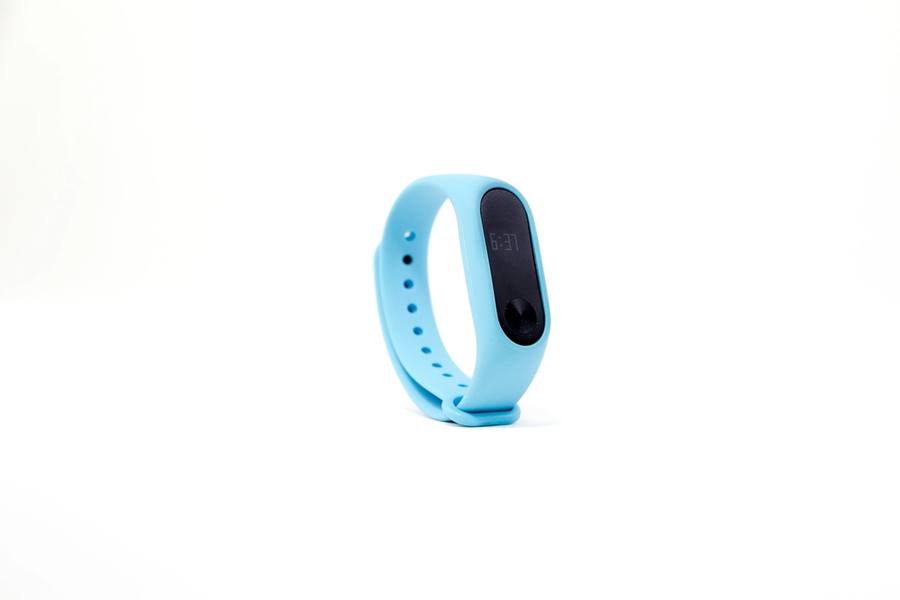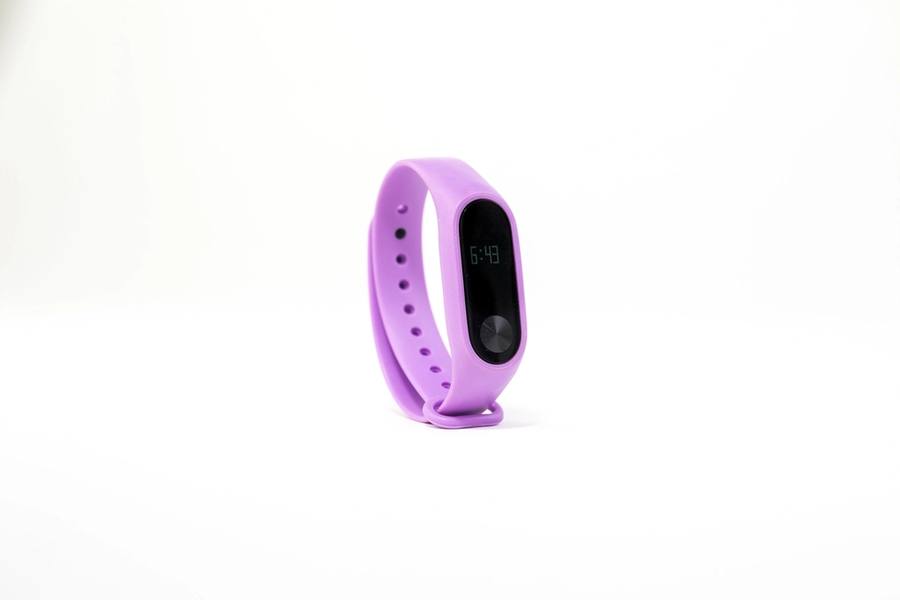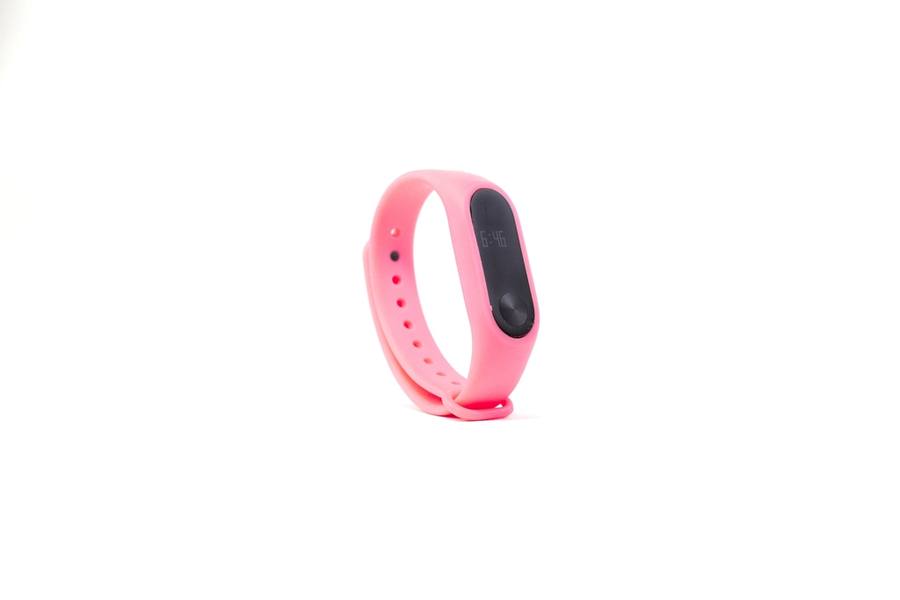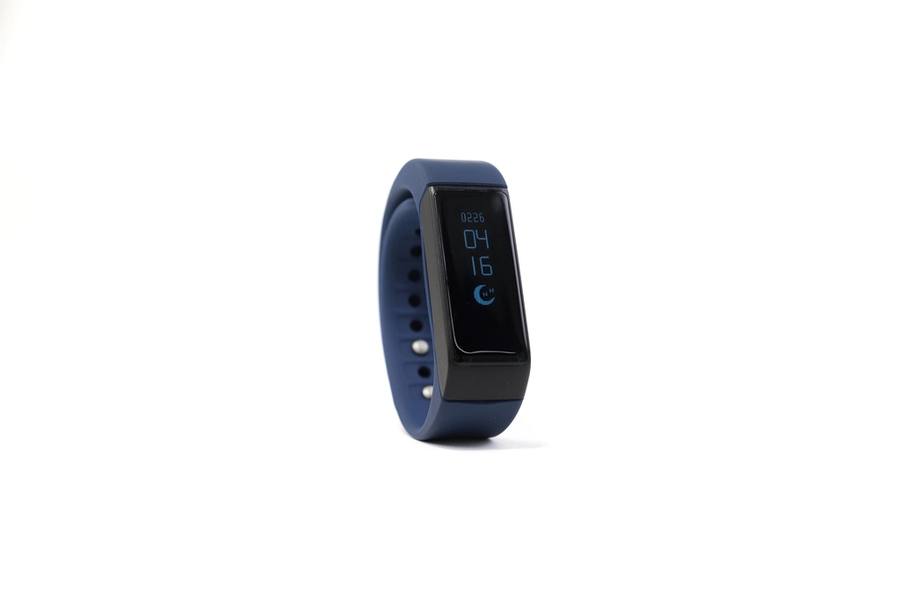
Image illustrative (photo de stock) ; ce n'est pas le produit exact.
No Subscription Is The Headline
A great many fitness devices now put their analysis behind a monthly fee, which means the data you generate becomes inaccessible if you stop paying. Garmin's training analysis is included with the watch.
Training load, recovery time estimates, aerobic and anaerobic training effect, VO2 max estimation and race predictions are all computed on the watch and shown in the app without a subscription.
For a device you may own for five years, that is a materially different proposition from one where the useful half of the product is rented, and it is the clearest argument for this ecosystem over several competitors.
Training Load Is The Genuinely Useful Feature
Most watches count activities. The more useful thing is quantifying whether the total load you are carrying is productive, excessive or insufficient relative to your recent history.
Garmin's implementation estimates load from heart rate and duration and compares it to your rolling baseline, then categorises training status. It is an estimate built on assumptions, and it is directionally useful in a way that a list of workouts is not.
It also separates aerobic from anaerobic effect, which is what stops the common error of doing every run at the same moderate intensity and wondering why nothing improves.
GPS, Screen And The Heart Rate Caveat
Multi-band GPS uses several satellite frequencies, which materially improves accuracy in cities among tall buildings and under tree cover — the two conditions where single-band GPS produces the wandering traces everyone recognises.
The AMOLED screen is bright and readable and costs battery life relative to the older memory-in-pixel displays. That is a genuine trade and battery life is good rather than exceptional.
The wrist heart rate sensor is optical, with all the limitations that implies: it is fine for steady running and unreliable during intervals and weights. The watch pairs with a chest strap, and anyone doing interval or strength work should use one rather than trusting the wrist.
Against The Alternatives
Against subscription-based trackers, the analysis is included and the hardware is a watch you read rather than a band you interpret through an app.
Against cheaper Garmin models, this adds multi-band GPS and the AMOLED screen; the training analysis is largely shared across the range.
Against a general smartwatch, this is far better at training analysis and far worse at being a smartwatch.
Who Should Not Buy It
Anyone wanting a general smartwatch with apps and payments should buy one, as this is a training device first.
Anyone doing mostly weight training will get poor heart rate data from the wrist and should budget for a chest strap.
Anyone who wants maximum battery life should look at memory-in-pixel screens, which last considerably longer.
The Verdict
A well-judged training watch: genuinely useful load and recovery analysis with no subscription, multi-band GPS that works in cities, and a bright readable screen.
Wrist heart rate is optical and unreliable for intervals and weights, the AMOLED screen costs battery, and it is a mediocre smartwatch.
Pair it with a chest strap if you do intervals or lift — the analysis is only as good as the heart rate data feeding it.
En un coup d'œil
Avantages
- Training load and recovery analysis included with no subscription
- Separates aerobic from anaerobic training effect
- Multi-band GPS is materially better in cities and under trees
- Bright, readable AMOLED screen
Inconvénients
- Wrist optical heart rate unreliable during intervals and weights
- AMOLED screen costs battery life versus memory-in-pixel
- Mediocre as a general smartwatch
- Analysis is estimation built on assumptions
Questions fréquemment posées
Why does the lack of subscription matter?
Because the analysis is the useful half of the product, and on subscription devices it stops when you stop paying — including access to years of your own data. Here it is computed on the watch and included for the life of the device.
Is the wrist heart rate good enough?
For steady running, yes. For intervals and weight training, no — optical sensing lags rapid changes and is defeated by forearm tension. The watch pairs with a chest strap, and the analysis is only as good as the heart rate feeding it.
What does multi-band GPS actually improve?
Accuracy among tall buildings and under tree cover, which are the two conditions that produce the wandering traces everyone recognises. On an open road single-band is fine; in a city it is a genuine difference.
Spécifications
| Subscription | None required |
| Analysis | Training load, recovery, training effect |
| GPS | Multi-band |
| Screen | AMOLED |
| Heart rate | Wrist optical; strap pairing supported |
| Battery | Good, not exceptional |
| Smartwatch features | Limited |
| Best for | Running and endurance training |
Résumé
Useful training load analysis with no subscription, and GPS that works in cities. Pair it with a chest strap for intervals and lifting.
Vérifier le prix sur Amazon