Titan Fitness Olympic Cast Iron Plates

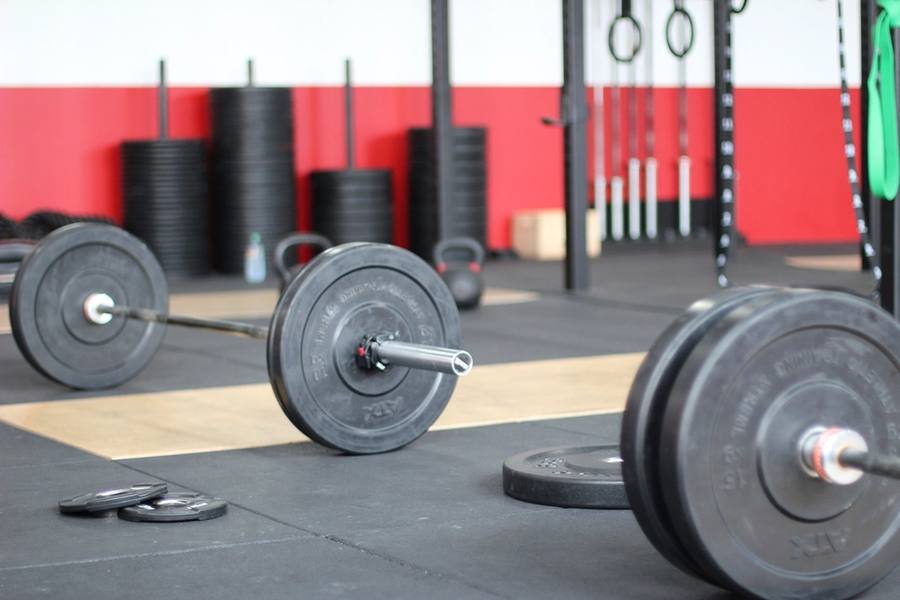
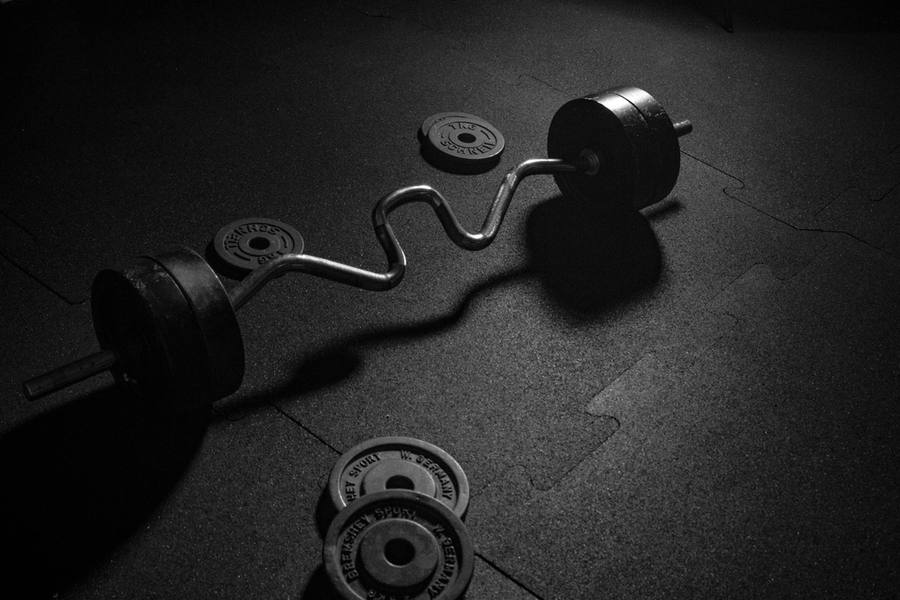
Symbolbild (Stockfoto); nicht das abgebildete Produkt.
Cheap And Thin
Iron plates cost considerably less per kilogram than bumpers and are far thinner, which are the two reasons to own them.
For squat, bench and deadlift, where the bar is lowered under control or set down rather than dropped from overhead, iron does everything a bumper does at a lower price and takes up much less sleeve space.
Anyone loading genuinely heavy will need iron regardless of preference, because a bar loaded entirely with bumpers runs out of sleeve room well before it runs out of capacity.
They Cannot Be Dropped
This is the whole limitation and it is absolute. Iron plates dropped from height crack, chip and bend, they damage the bar, and they destroy flooring.
For controlled lifts that is irrelevant. For overhead work — snatches, jerks, anything where abandoning the bar is part of the movement or the safety plan — iron is the wrong choice and there is no technique that makes it acceptable.
Deadlifts are the grey area. Lowering a heavy deadlift under control is hard and many people drop the last rep, and iron plates on a hard floor will not tolerate that repeatedly.
Noise, Diameter And Finish
Iron on iron is loud. Plates clanking on a bar, on each other and on a rack carry through a building far more than rubber does, which in a shared or upstairs space is a real consideration.
Plate diameter varies with weight, so a bar loaded with light iron sits lower than one loaded heavy, which changes deadlift geometry as you warm up. That is a genuine technique consideration and the reason bumpers exist.
The painted finish chips and the exposed iron rusts in a damp garage. That is cosmetic and manageable with occasional attention, and it is why many old iron plates look terrible and work fine.
Against The Alternatives
Against bumper plates, iron is cheaper and thinner and cannot be dropped and changes bar height with load.
Against rubber-coated iron plates, those are quieter and floor-friendlier and thicker and more expensive, and still not droppable from overhead.
Against a machine-based setup, free weights with plates allow progressive loading that most machines do not.
Who Should Not Buy It
Anyone doing Olympic lifting needs bumpers, and iron is not an option for that work.
Anyone training in an upstairs or shared space should think about noise, which is substantially greater than rubber.
Anyone who drops deadlifts should either learn to lower them or use bumpers, as iron will not tolerate it.
The Verdict
The cheap, thin plates every barbell gym needs for loading heavy on controlled lifts, and the plates you must not drop.
They are loud, they change bar height with load, they chip and rust, and they cannot be dropped at all.
Own both — bumpers for working weights and overhead lifts, iron for the top end of heavy squats and pulls where sleeve space runs out.
One practical detail worth checking on any cheap iron plate is the hole tolerance. Plates that fit loosely on a bar sleeve rattle and shift during a set, which is both irritating and slightly unnerving under a heavy squat, while plates that fit tightly can be genuinely difficult to remove. Neither is dangerous with collars fitted, and the looser kind is the more common complaint at this price.
Auf einen Blick
Vorteile
- Far cheaper per kilogram than bumper plates
- Much thinner, so more weight fits on the bar
- Entirely adequate for controlled squat, bench and deadlift
- Necessary for heavy loading whatever else you own
Nachteile
- Cannot be dropped; they chip, bend bars and damage floors
- Considerably louder than rubber
- Diameter varies with weight, changing deadlift geometry
- Paint chips and exposed iron rusts in damp spaces
Häufig gestellte Fragen
Can I ever drop them?
No. Iron plates dropped from height chip and crack, bend the bar and damage flooring, and there is no technique that makes it acceptable. Deadlifts are the practical grey area — if you drop the last rep, you need bumpers.
Why are they cheaper?
Iron is dense and simple to cast, where bumpers are solid rubber around a machined steel hub. The lower price and the thinner profile both come from the material, and so does the inability to drop them.
Do I need both iron and bumpers?
Most barbell gyms end up with both. Bumpers for working weights and anything overhead, iron for the top end of heavy squats and pulls where bumper thickness runs out of sleeve space. It is cheaper than all bumpers and physically necessary above a point.
Spezifikationen
| Material | Cast iron, painted |
| Droppable | No |
| Thickness | Thin |
| Diameter | Varies with weight |
| Noise | High |
| Cost per kg | Low |
| Best for | Controlled lifts, heavy loading |
| Unsuitable for | Overhead lifting |
Fazit
Cheap, thin, and necessary for heavy loading on controlled lifts. Never drop them — own bumpers alongside for working weights and anything overhead.
Preis auf Amazon prüfen