REP Fitness Adjustable Dumbbells
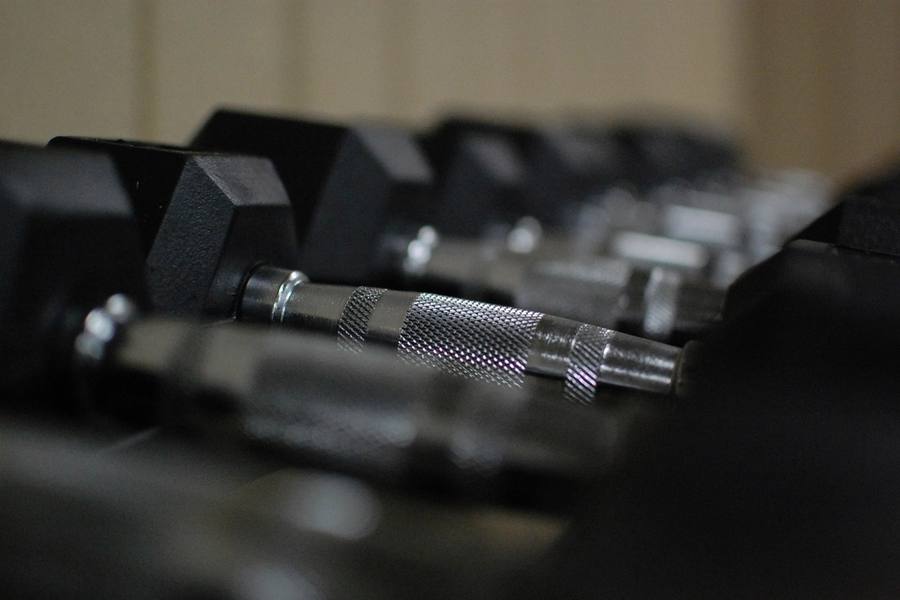
Symbolbild (Stockfoto); nicht das abgebildete Produkt.
Shaped Like A Dumbbell
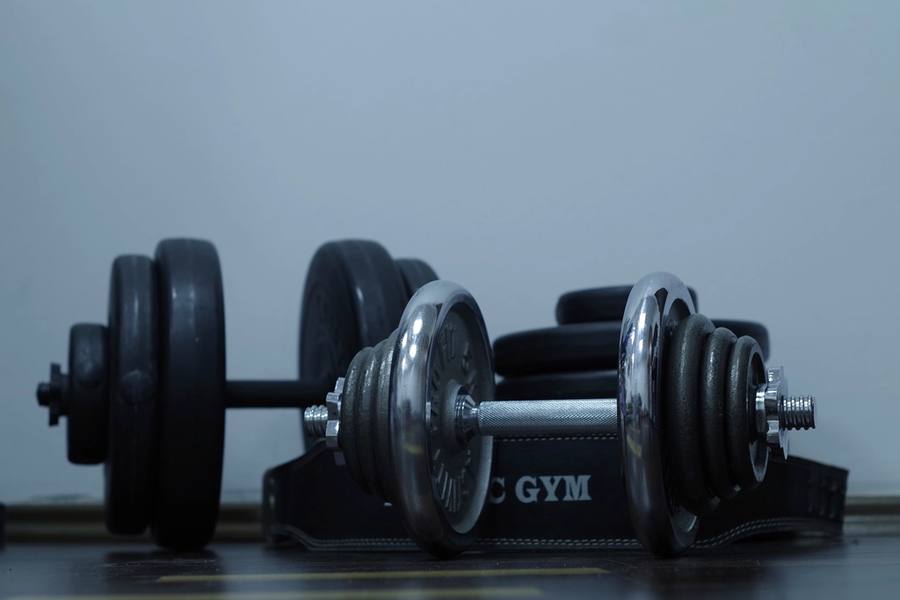
The main criticism of cage-style adjustables is that your hand sits inside a square box. Dial-type adjustables like these keep the conventional shape — a handle with weight extending either side — so they handle like a real dumbbell.
For curls, rows and anything where the dumbbell passes close to the body or the wrist rotates, that shape is noticeably better. There is no cage corner to catch on a leg or a bench.
The trade, as with all dial systems, is a mechanism that selects plates rather than a pin through a nested stack, and mechanisms are the part that fails.
The Cradle Is Part Of The Product
Dial dumbbells adjust only when seated in their cradle, because the dial disengages plates that are left behind in the tray. That means the cradle is not an accessory but a functional requirement, and it occupies floor space.
It also means adjustment happens at floor level, which for anyone training on a bench involves bending down between sets. Cage-style adjustables can be changed anywhere.
The cradles take up more room than the dumbbells themselves, which somewhat undercuts the space-saving argument and is worth measuring before buying.
Durability And Handling
Dial mechanisms are the weak point of every adjustable dumbbell, and the honest position is that they do not tolerate being dropped. Setting them down firmly after a hard set is normal human behaviour and it is exactly what wears a dial system.
REP's construction is solid for the category and the metal components inspire more confidence than plastic-heavy competitors, and it is still a mechanism.
Anyone who trains to genuine failure on pressing movements, where controlling the descent of the dumbbells is not always possible, should weigh this seriously — that is the scenario where adjustables fail and fixed dumbbells do not care.
Against The Alternatives
Against PowerBlocks, these feel considerably more like real dumbbells and are less durable and need a cradle.
Against fixed dumbbells, they save enormous space and money and compromise on feel and durability.
Against a barbell setup, dumbbells allow unilateral work that a barbell cannot, and a barbell loads far heavier.
Who Should Not Buy It
Anyone who trains pressing movements to failure should consider fixed dumbbells, since dropping adjustables is what breaks them.
Anyone counting floor space precisely should measure the cradles, which are larger than the dumbbells.
Anyone who wants to adjust weight away from a fixed station will find the cradle requirement limiting.
The Verdict
The adjustable dumbbell that handles most like a real one, with solid construction for the category and a conventional shape that does not restrict movements.
The cradle is required and takes floor space, and a dial mechanism will not survive being dropped.
If you train to failure on presses, buy fixed dumbbells at those weights — that single scenario is where every adjustable design struggles.
Noise is worth raising because it is the constraint people discover after buying rather than before. Adjustable dumbbells set down on a hard floor make a distinct metallic clatter that carries through a building, and the cradles do nothing to damp it. Anyone training in an upstairs room or a flat should plan on rubber matting under the training area as part of the purchase rather than as an afterthought.
Auf einen Blick
Vorteile
- Conventional dumbbell shape with no cage to catch
- Handles well for curls, rows and rotating movements
- Solid metal construction for the category
- Large space saving over fixed dumbbells
Nachteile
- Cradle is required for adjustment and takes floor space
- Adjustment happens at floor level, not on a bench
- Dial mechanism does not tolerate being dropped
- Less durable than pin-and-cage designs
Häufig gestellte Fragen
Why do I need the cradle?
The dial disengages plates which stay behind in the tray, so adjustment only works when the dumbbell is seated. That makes the cradle functional rather than optional, and it takes more floor space than the dumbbells themselves.
What happens if I drop them?
A dial mechanism is considerably less tolerant than a pin-and-cage design or cast iron. Dropping them repeatedly will cause problems, and that matters because training pressing movements to failure sometimes means not controlling the descent.
REP or PowerBlock?
These feel more like real dumbbells and handle better for curls and rows. PowerBlocks are more durable and tolerate being set down hard. Choose on whether feel or durability matters more to how you train.
Spezifikationen
| Adjustment | Dial, in cradle |
| Shape | Conventional bar and heads |
| Cradle | Required, floor standing |
| Drop tolerance | Poor |
| Construction | Metal components |
| Adjustment location | At the cradle only |
| Space saving | High, less cradle footprint |
| Best for | Controlled training |
Fazit
The adjustable that handles most like a real dumbbell, well built for the category. Needs its cradle, and a dial will not survive being dropped.
Preis auf Amazon prüfen